Making Every DEI Conversation Engaging, Safe, and Surprisingly Fun – Through Gamification
Discussing Diversity, Equity and Inclusion can sometimes feel daunting — but what if learning about one another, challenging assumptions, and building an inclusive culture could be playful, energising, and even genuinely enjoyable? That’s exactly what gamification makes possible.
At Superpeople Company, we transform DEI themes into interactive, meaningful experiences that spark curiosity, open dialogue, and create real behavioural insight. By turning complex topics into games, we give participants the freedom to explore sensitive issues in a safe, structured, and engaging way — and suddenly, learning becomes something people want to do.
Gamification removes pressure, invites participation, and creates space for honesty.
Whether through the emotion‑triggering statements of Bingo, the scenario‑driven challenges of Equalitypoly, or the reflective movement-based format of Walk the Line, participants are encouraged to step in, speak up, and share perspectives they may otherwise keep to themselves.
From post-game reports containing tips, to end-of-session commitments (“What will I do differently tomorrow?”), every format ensures that insights don’t evaporate — they translate into real workplace change.
Trying something in a game in pairs or in a group, creates a sense of psychological safety because “it’s just a game”. And a game like Walk the Line invites participants to position themselves physically in response to statements like “I am aware of my own biases.” This simple act creates vulnerability, reflection, and mutual respect — the foundation of every inclusive team.
Equalitypoly and “Is this Okay?”, for instance, use real, research-backed cases to let people experience DEI challenges rather than merely hear about them. Moving around the board, landing on situations, and debating responses builds understanding in a natural, immersive way.
A Bingo card filled with phrases that may feel harmless to some but painful to others opens powerful conversations about micro‑aggressions. A video or movie that addresses inequality does the same. Players start recognising the subtle ways communication shapes belonging — often with surprising “aha” moments.
From shouting “Bingo!” to rolling dice on an XXL board, these activities create an immediate sense of playfulness. And when people are relaxed, they are far more willing to explore topics such as gender, culture, age, LGBTQ+, disability, or neurodiversity without fear of judgement.

The Unexpected Magic: Learning Becomes Enjoyable
Gamification transforms DEI from a theoretical concept into lived experience.
Participants laugh, discuss, challenge each other, rethink assumptions, and — most importantly — learn without feeling like they’re being lectured.
People leave sessions not only with new knowledge but also with new empathy, new awareness, and new energy to contribute to a more inclusive culture. And because each game is adaptable to your organisation’s context, the learning feels personal, relevant, and immediately applicable.
In short: gamification makes DEI approachable, memorable, and genuinely fun — while still delivering deep impact.
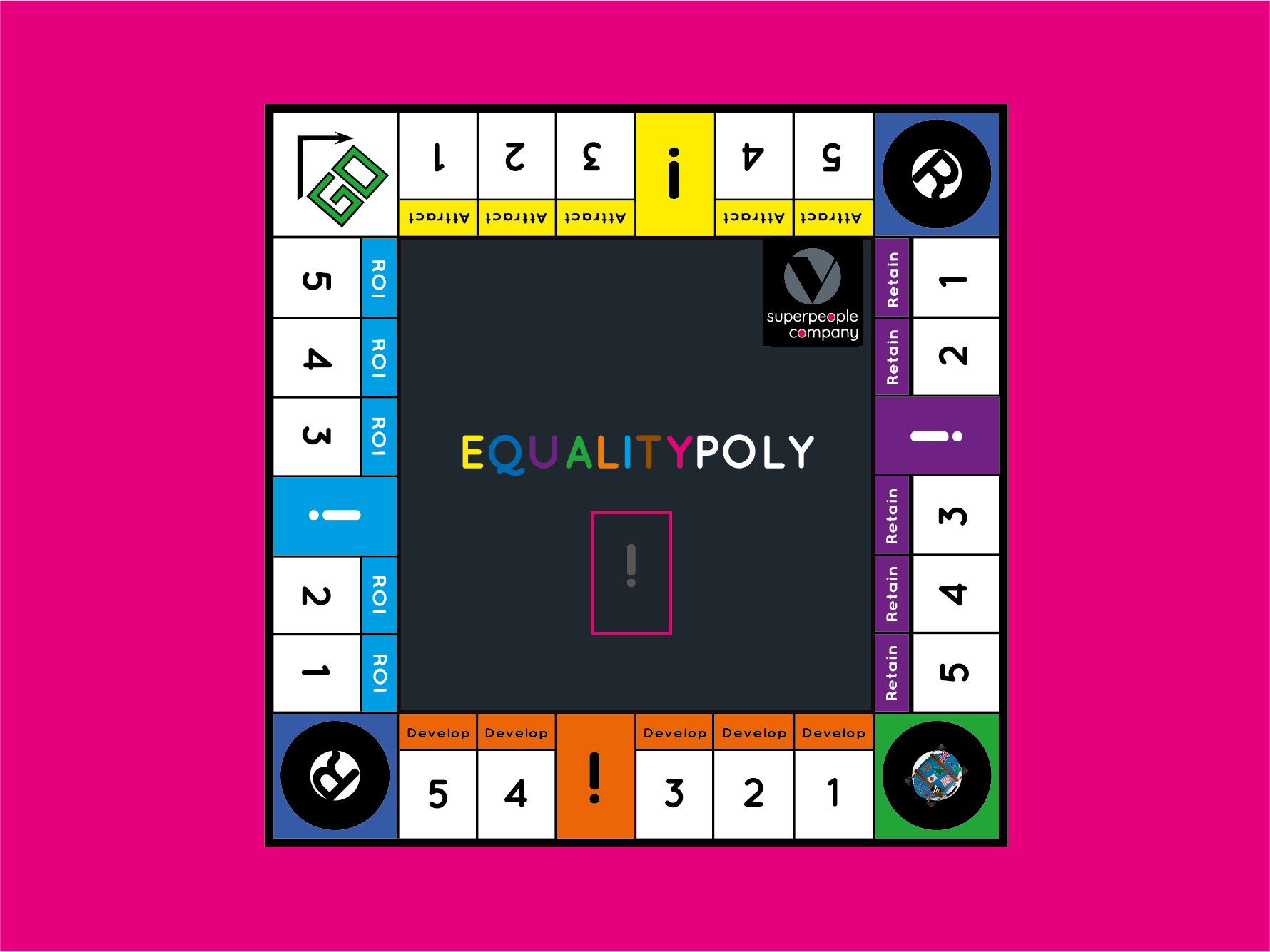
Equalitypoly
Turn conversation into action. Equalitypoly is a facilitated learning experience that helps managers translate discussion about equality and inclusion into concrete behaviours and team practices that stick. It bridges the gap between “we should” and “here’s how” by immersing managers and teams in realistic scenarios and structured debriefs.
Built for leadership contexts. The programme is used across departments and management teams to kick‑start (or re‑energise) your inclusion agenda and align it with business outcomes – engagement, performance, and retention.
What managers get:
- Real‑world cases grounded in external research and best practice; ideal for sharpening judgement and role model inclusive leadership.
- Targeted formats for different settings: small leadership teams or large town‑hall‑style events.
- Focused debriefs and takeaways that surface blind spots and convert insights into next steps for your area.
Choose versions that spotlight gender, culture, generation, or combine them. You can also incorporate disability or neurodivergence scenarios to match your organisational context.
Bingo
A bingo card filled with phrases that trigger emotions in the recipient, often referred to as ‘micro-aggressions’, helps raise awareness about the impact of language and words. Of course, the quizmaster makes room for dialogue, sharing experiences, and we wrap up with tips on how to handle these situations.
Our bingo cards are packed with statements relevant to the diversity you want to highlight. We have a set of standard bingo cards focusing on the following groups: gender, age, multiculturalism, LGBTQ+ and living with a disability.
Pubquizz
Imagine a pub quiz packed with quirky facts and trivia, where your chances of winning skyrocket with a more diverse team. As you play, you’ll discover that a mix of backgrounds and perspectives is the secret sauce to victory. And don’t worry, our lively quizmaster will keep the conversation flowing.
Our pub quiz is filled with questions tailored to the diversity you want to spotlight. Expect a blend of research insights, amusing titbits, and thought-provoking topics. We’ve got ready-made question sets covering gender, living with a disability, LGBTQ+, age and multiculturalism.
The most unfair game in the world
How does the hand we are dealt help or hinder us as we move through life? How does it affect success, love, careers, mindsets, and the experience of everyday life? What does privilege look like, and how does inequality impact different people?
Let’s Play Equal, the most unfair game in the world. Designed to inspire reflections on justice, (in)equality, diversity, and inclusiveness. This tool playfully helps to increase awareness and understanding of sensitive social topics safely and securely. To help you think through ánd beyond the hand you were dealt and how this helps or hinders you through life.
Discuss, learn, reflect with our facilitators.
Walk the Line
“Walk the Line” is an interactive group exercise designed to foster awareness, psychological safety, and open dialogue. Participants physically position themselves along a line representing their agreement or disagreement with various statements read aloud by a facilitator. After each statement, the group discusses their choices, exploring the reasons behind their positions and learning from one another. The activity helps participants reflect on their beliefs and behaviors, encourages nuanced conversations, and supports engagement through direct interaction.
At the end of the session, every participant is invited to formulate one concrete insight or action point: “What will I do differently from tomorrow onwards?” This ensures that the increased awareness is translated into practical action.
Is this OK?
Is it okay to touch a colleague while chatting?
Should staff without children skip holidays during school breaks?
Can someone with tattoos be told to cover up?
Everyone deserves a workplace where they feel safe — but what crosses the line isn’t the same for everyone. These 100 real‑life scenarios spark open, honest conversations about what’s acceptable… and what’s definitely not. Talking now helps prevent problems later.
Is This Okay? is a simple, powerful tool that gets people discussing behaviour in a relaxed, accessible way. Using situation cards, teams explore grey areas and build a culture that’s open, safe, and genuinely pleasant to work in.

Movie Dialogues
We start by watching a video clip together, featuring a theme related to EDI (Equity, Diversity, and Inclusion). Afterwards, we break into small groups of 2 or 3 people to discuss a set of questions:
• Does this happen in our organisation as well?
• Have you ever found yourself in a similar situation?
• How did you respond/what did you say/how did you feel?
Afterwards, we bring together the input from all groups and share additional tips or suitable approaches to take. Each video clip requires approximately 20 minutes; of course, it is possible to include more clips, but we recommend a maximum of three.
Privilege Walk
The “Privilege Walk” workshop is an interactive activity where participants respond to statements about privilege by stepping forward, staying in place, or stepping back. This creates a visual illustration of how different privileges affect people’s lives. After the exercise, the group reflects together, sharing insights and discussing how recognizing their own advantages can lead to positive actions for others.